Rural Research Fellowship
A multi-year initiative supported by the Patterson Family Foundation.
Rural Research Fellowship
Program: Rural Research Fellowship
Program period: 2026-2028
Inaugural cohort: Six fellows selected from 62 applications
Funder: Patterson Family Foundation
Geographic focus: Kansas, Missouri, and the rural Midwest
Research Focus: Workforce, childcare, healthcare, economic opportunity, and community investment
Inaugural cohort symposium: Summer 2027
Meet the 2026 Inaugural Fellows



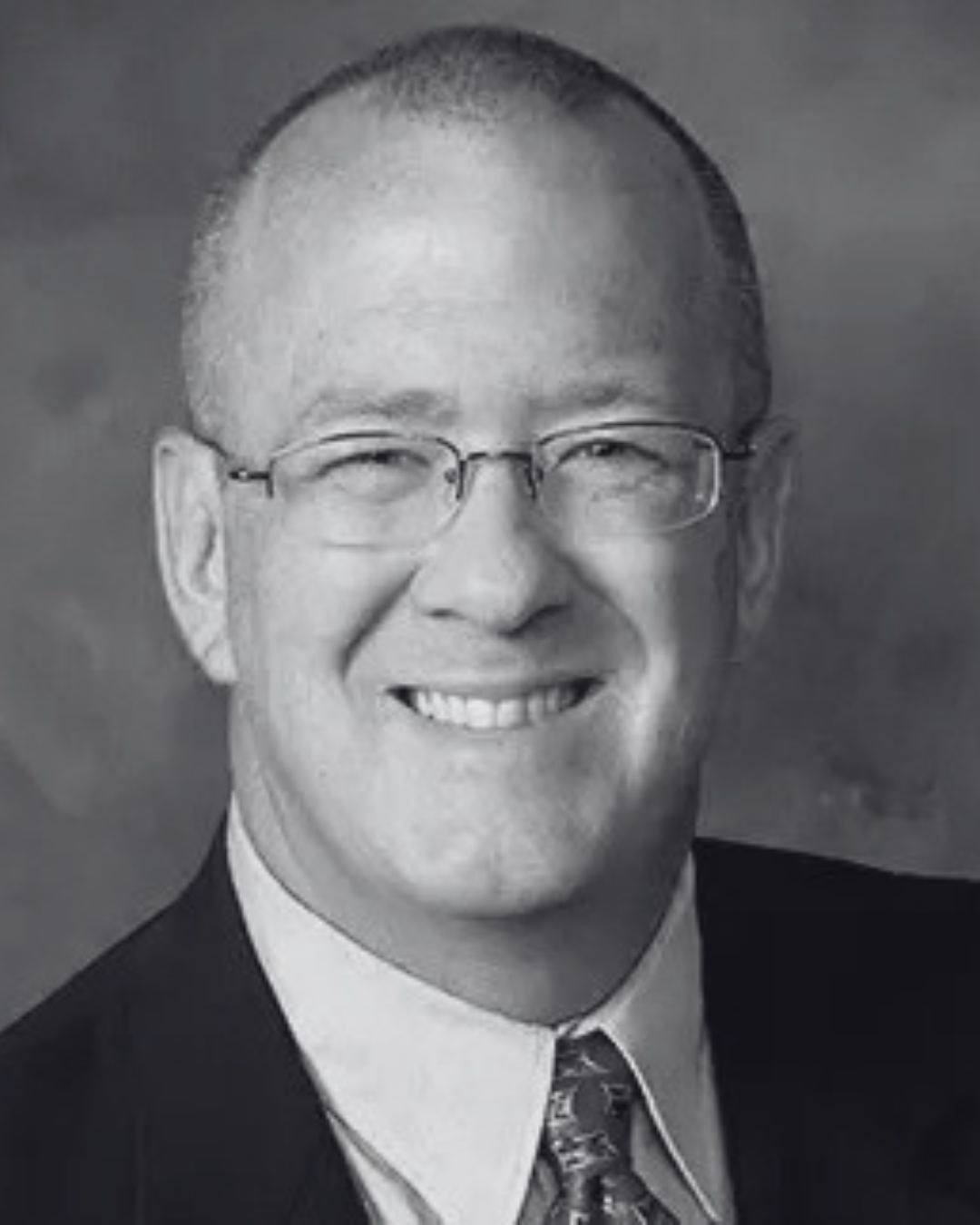


Ben Harrington, AICP, Community Development Director, City of Little Canada, Minnesota
Doing More with Less: Strategies for Strengthening Local Government in the Rural Midwest
Harrington will study how rural cities and counties organize planning, economic development, infrastructure and administrative functions with limited staff and resources. His research will identify practical strategies that can help local governments maintain essential services and deliver on community priorities.
Focus areas: Local government · Community development · Kansas · Missouri · Iowa · Nebraska
Carolyn Chrisman, EdD, Owner and Principal Consultant, Chrisman Consulting, LLC
Beyond Market Rates: Applying a Cost-of-Care Framework to Rural Childcare Providers in Missouri
Chrisman will develop a framework for understanding the true cost of providing licensed childcare in rural Missouri. Her research will compare operating costs with parent fees, state subsidies and other reimbursements to help inform childcare investments and reimbursement policies.
Focus areas: Childcare · Cost of care · Rural workforce · Missouri
Megan Langley, Founder and Executive Director, Strengthen ND
Trust as Infrastructure: Rebuilding Rural Economies Through Community-Owned Capital Systems
Langley will study locally governed, flexible capital models that allow rural communities to invest in housing, businesses and other local priorities while keeping financial returns within the community. Her research will also examine how these models influence civic participation and access to capital.
Focus areas: Community investment · Access to capital · Rural economic development · Civic participation
Michael J. Hicks, PhD, Director, School of Business and Eldon R. Lindsey Professor of Economics, College of Business, Engineering and Technology, Shenandoah University
Quality of Life and the Migration Patterns of Women and Families in Rural America
Hicks will examine how schools, public safety, healthcare, childcare and recreational amenities influence where women and families choose to live. His research will explore quality of life as an alternative approach to rural economic development strategies focused primarily on business recruitment and financial incentives.
Focus areas: Women and families · Migration · Quality of life · Rural economic development
Moiz Bhai, Associate Professor of Economics, University of Arkansas at Little Rock
The Rise of Advanced Practice Registered Nurses: How Scope of Practice Reform Expands Provider Supply in Underserved Rural Communities
Bhai will examine whether state laws expanding practice authority for Advanced Practice Registered Nurses increase the availability of healthcare providers in rural communities. His research will explore occupational licensing reform as a potential tool for addressing rural healthcare shortages.
Focus areas: Healthcare access · Occupational licensing · APRNs · Rural workforce
Sukriti Beniwal, PhD, Assistant Project Director, Georgia Health Policy Center
Full Practice Authority and the Medicaid Maternal Care Workforce in Rural Kansas
Beniwal will examine whether occupational licensing reforms expanding practice authority for Certified Nurse-Midwives increased access to maternal healthcare for Medicaid patients in rural Kansas. Her research will assess changes in the availability and distribution of maternal care providers, particularly in rural and frontier communities.
Focus areas: Maternal healthcare · Medicaid · Occupational licensing · Rural Kansas
By advancing research that highlights opportunities to strengthen rural communities, United WE is helping rural women, families, and neighbors build more resilient, prosperous communities where everyone can thrive.
Frequently Asked Questions
-
The United WE Rural Research Fellowship is a new, competitive, interdisciplinary program designed to support scholars and practitioners whose work advances understanding of the most pressing issues facing rural American communities. The Fellowship aims to generate original research that informs policymakers and community leaders, leading to nonpartisan policy solutions that improve economic opportunity and quality of life in rural America.
-
The Rural Research Fellowship is a multiyear research initiative supported by the Patterson Family Foundation.
-
Fellows receive a $20,000 award to support the development and completion of their project (e.g., supplemental salary, research expenses, travel, etc.).
-
Ben Harrington, AICP, community development director for the City of Little Canada, Minnesota
Carolyn Chrisman, EdD, owner and principal consultant of Chrisman Consulting, LLC
Megan Langley, founder and executive director of Strengthen ND
Michael J. Hicks, PhD, Director, School of Business and the Eldon R. Lindsey Professor of Economics, College of Business, Engineering and Technology at Shenandoah University
Moiz Bhai, associate professor of economics at the University of Arkansas at Little Rock
Sukriti Beniwal, Ph.D., Assistant Project Director at the Georgia Health Policy Center
-
The Rural Research Fellowship prioritizes research on issues affecting the economic well-being and vitality of rural communities, including workforce participation, childcare, healthcare, economic opportunity, and community investment.
-
Fellows will present their research at a summer 2027 symposium.
-
Applications will reopen in the late 2026.
“Rural communities are not a footnote in America’s economic future. They are where some of the country’s most urgent workforce challenges – and some of its most promising solutions – are taking shape,” said Wendy Doyle, president and CEO of United WE.
Priority Research Topics
United WE welcomes proposals on the following topics, or others consistent with the purpose of the Fellowship. Priority will be given to those topics central to United WE’s mission (indicated by *).
-
Barriers to starting or scaling businesses in rural communities
Access to capital
Impacts of women-owned businesses
Business succession
-
Labor force participation trends, including obstacles for rural women
Skills acquisition, gaps, and needs
Quality jobs
-
Access to and affordability of child care
Paid family leave and family-supportive policies
Elder care and multigenerational caregiving
-
Social capital and community networks
Trust in institutions and local information ecosystems
Community engagement, including volunteerism and voter participation
-
Availability of primary, maternal, mental, and behavioral health care
Health care workforce
Effects of hospital closures and telehealth expansion
-
Broadband access and digital literacy
Availability and quality of rural housing
Mobility barriers
-
Early childhood through K-12 education
Impact of school closures and consolidation
Post-secondary opportunities, including trades and apprenticeships
-
Implications for civic participation, economic development, and population growth
Drivers and barriers for community development
Intergenerational similarities and differences
Have more questions? Visit our FAQ page or email fellows@united-we.org
Thank You to Our Investor